How much does it cost to open a grocery store in 2026
Opening a grocery store in 2026 requires an initial investment that can vary significantly based on several factors. On average, costs include renting or purchasing the premises, setup, licenses, and the initial stock of goods. There isn't a fixed amount, but you can expect an initial investment starting from several tens of thousands of euros.
What are the initial costs for opening a grocery store?
To open a grocery store, initial costs include several important items. Among these:
- Premises rent: The cost depends on the area and size of the store.
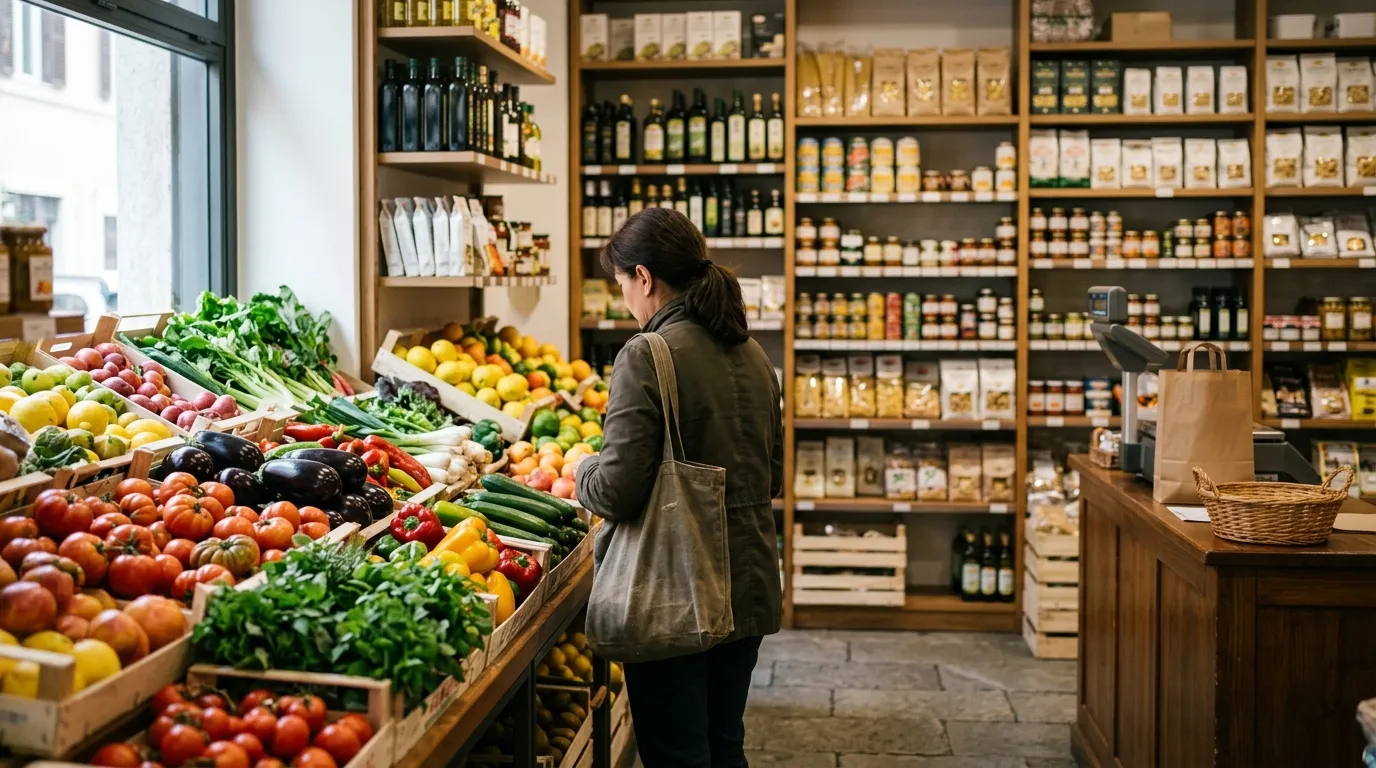
- Setup: Includes shelving, refrigerated counters, and other furnishings.
- Licenses and permits: Necessary for opening, such as commercial and health licenses.
- Initial stock of goods: The initial purchase of products to sell.
- Marketing expenses: To promote the store's opening.
These costs can vary significantly depending on strategic choices and local market conditions. It is crucial to plan the budget accurately to avoid financial surprises.
How much does it cost to rent or buy the premises?
The rent for premises for a grocery store can vary significantly depending on the location and size. In urban areas, costs are generally higher than in rural areas. Purchasing the premises involves a larger initial investment but eliminates the monthly rent cost. It is crucial to consider the strategic location to ensure a good flow of customers. A preliminary market analysis can help choose the optimal location.
What are the setup costs for a grocery store?
The setup of a grocery store includes various expenses, such as:
- Shelving: For displaying products.
- Refrigerated counters: Necessary for fresh and frozen products.
- Cash registers and payment systems: Including POS equipment.
- Lighting and decorations: To create a welcoming atmosphere.
These costs can vary based on the quality and quantity of the chosen equipment. It is advisable to compare different suppliers to get the best value for money. Furthermore, using energy-efficient technologies can reduce long-term operating costs.
What licenses and permits are necessary?
To open a grocery store, several licenses and permits are required, including:
- Commercial license: Issued by the competent Municipality.
- Health authorization: Necessary for the sale of food products.
- Registration with the Chamber of Commerce: Mandatory for all commercial activities.
It is important to check the specific requirements of your Municipality, as they may vary. Additionally, it may be necessary to obtain additional permits for the sale of alcoholic beverages or specific products. Consulting an accountant can facilitate the license acquisition process.
How much does the initial stock of goods cost?
The cost of the initial stock of goods varies based on the size of the store and the variety of products offered. It is advisable to make an accurate estimate of the necessary quantities to avoid waste and ensure an adequate assortment. A good relationship with suppliers can also facilitate favorable payment terms. Furthermore, negotiating discounts for bulk purchases can reduce initial costs.
What are the monthly operating costs of a grocery store?
Monthly operating costs include:
- Monthly rent: If the premises are rented.
- Utilities: Electricity, water, and gas.
- Staff: Salaries and contributions for employees.
- Merchandise replenishment: To maintain the assortment.
- Marketing expenses: To continue promoting the store.
Efficient control of these costs is crucial for maintaining the store's profitability. Implementing inventory management systems and optimizing staff shifts can help reduce operating expenses.
How to plan the opening of a grocery store?
Opening a grocery store requires detailed planning. Here are the fundamental steps:
- Market research: Analyze local demand and competition.
- Business plan: Define objectives, marketing strategies, and financial projections.
- Location selection: Evaluate the location based on foot traffic and visibility.
- License acquisition: Ensure all necessary authorizations are obtained.
- Store setup: Furnish and equip the premises for opening.
- Marketing strategy: Plan promotion to attract customers at launch.
Following these steps carefully can increase the chances of business success.
Frequently Asked Questions
How long does it take to open a grocery store?
The time required to open a grocery store can vary from a few months to a year, depending on the complexity of the project and the time it takes to obtain licenses.
Is it better to rent or buy the premises?
Renting reduces the initial investment, while buying can be more cost-effective in the long run. The choice depends on available resources and long-term strategy.
What are the best areas to open a grocery store?
Areas with high pedestrian and residential traffic are ideal for ensuring a good flow of customers. It is important to analyze local competition and market demand.
What are the typical profit margins for a grocery store?
Profit margins for a grocery store can vary, but generally range around 10-20% of turnover, depending on cost management and pricing policy.
Is experience in the food sector necessary?
Experience in the sector can be advantageous, but it is not strictly necessary. Good planning and expert advice can compensate for a lack of direct experience.
What are the main challenges in managing a grocery store?
The main challenges include inventory management, competition, and maintaining adequate profit margins. It is important to stay updated on consumption trends and adapt the offering accordingly.
If you are considering opening a grocery store, Sherlok offers tools to evaluate and compare sales opportunities, as well as resources to support your entrepreneurial journey. Explore our businesses for sale to find the right activity for you.